Research Cafe
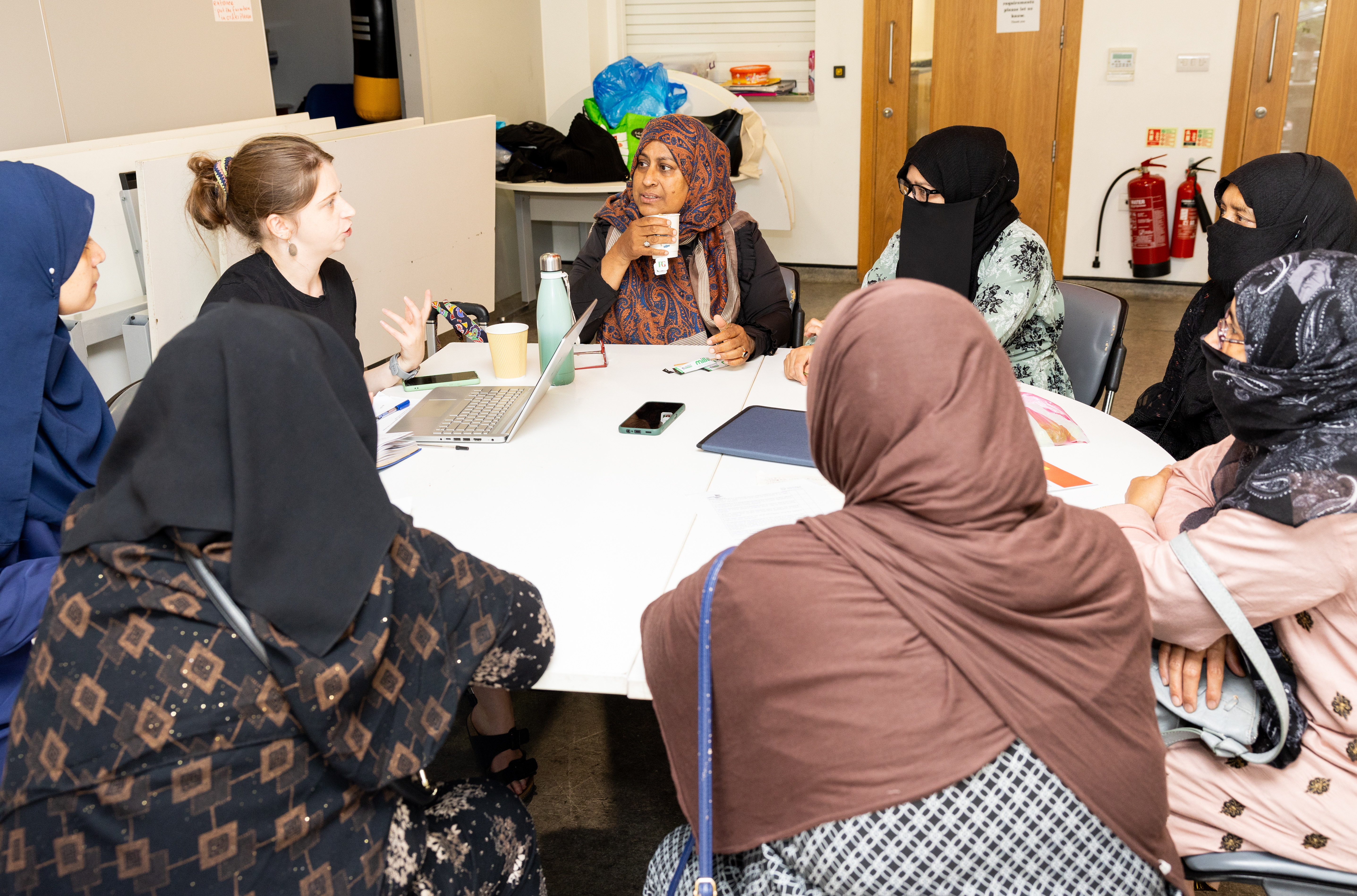
The HDRC supported the first Research Café that took place on 9 February 2026 at the Brady Centre. Designed as an informal, welcoming space, the event successfully connected local residents with eight leading health research and health determinants projects from across North East London.
A Space Built on Trust and Transparency
The Research Café was created to strengthen trust between communities and the research sector—an essential goal for the HDRC. The event aimed to raise awareness of local research opportunities, improve community involvement, and build partnerships with voluntary and community sector (VCS) organisations.
Set up in a friendly community-centre environment, complete with refreshments and lunch, the session encouraged open conversations between researchers and attendees. Residents were free to move between stalls, learn about different projects, ask questions, and sign up for opportunities.
Who Attended?
A total of 30 residents took part aged between 30 and 75, representing a diverse mix of backgrounds. Most attendees were Bangladeshi (16 women and 8 men), alongside residents from White British, White European, Indian, and Chinese backgrounds.
Residents were enthusiastic about gaining a better understanding of local health research and how they could get involved. Many stayed for over an hour, shared the space with friends, and encouraged others to join throughout the morning. Some requested future cafés to be held in other parts of the borough so more people could take advantage of the opportunity.
Researchers’ Experience
Researchers from the eight participating projects—including Genes & Health, Black Health Legacy, Be Part of Research, Genomics, and Positive East—reported meaningful conversations and strong engagement. Their goals included raising awareness, signing people up for consultation, and, for some, collecting DNA samples.
Feedback from researchers included praise for the welcoming atmosphere, useful conversations, and a setup that encouraged informal interaction. Several researchers collected contact details for follow-up conversations and future co‑design opportunities.
Impact and Outcomes
The café delivered several positive immediate results:
- Residents engaged with all attending research programmes
- Eight residents donated DNA samples to the Genes & Health project
- New opportunities emerged for collaborations and for hosting future sessions in additional neighbourhoods.
The event also contributed to increased public understanding of health research, strengthened trust between communities and researchers, and provided valuable feedback to help shape future HDRC engagement approaches.
Looking Ahead
The Research Café demonstrated the value of creating approachable, community-centred spaces to demystify health research and increase community participation.
Residents clearly appreciated the chance to speak directly with researchers, learn about current projects, and share their own priorities.
Future cafés may be planned in collaboration with partners across HDRC, NIHR, Barts Health, the NHS, and community groups—with the aim of expanding reach, deepening engagement, and understanding of research ensuring the events reflect the needs of local communities.
For further information contact alison.robert@thcvs.org.uk